
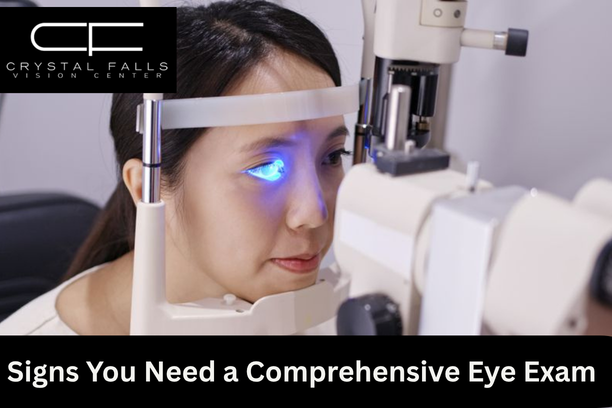
Many people assume they only need an eye exam when they notice blurry vision or trouble reading small text. However, changes in eye health can happen slowly, and some serious conditions may develop without obvious warning signs. Regular eye care is not only about improving vision but also about protecting your long-term eye health and identifying potential problems before they become more serious.
A comprehensive eye exam checks much more than whether you need glasses or contact lenses. It helps eye care professionals evaluate your vision, examine the health of your eyes, and detect early signs of conditions such as glaucoma, cataracts, macular degeneration, and other eye-related issues.
Many adults delay scheduling an appointment because they believe their vision is fine. However, clear vision does not always mean healthy eyes. Regular checkups with a trusted eye care provider, such as Crystal Falls Vision Center, can help ensure your eyes receive the attention they need.
Understanding the warning signs that indicate you may need a comprehensive eye exam can help you take action at the right time and maintain healthy vision for years to come.
Blurry Vision and Difficulty Seeing Clearly
Changes in Distance or Close-Up Vision
One of the most common signs that you need an eye exam is a noticeable change in how clearly you see. You may find yourself struggling to read street signs, recognize faces from a distance, or focus on objects that are close to you.
Vision changes can happen gradually, making them easy to ignore. Some people adjust their habits without realizing it, such as holding books farther away, sitting closer to the television, or increasing the font size on digital devices.
A comprehensive eye exam can determine whether these changes are caused by a common vision problem, such as nearsightedness, farsightedness, or astigmatism. If needed, an eye care professional can recommend glasses, contact lenses, or other solutions to improve your daily vision.
Frequent Squinting or Eye Strain
Squinting is your body’s natural way of trying to improve focus, but frequent squinting may indicate that your vision needs attention. If you notice yourself narrowing your eyes while reading, driving, or looking at screens, it may be time for an evaluation.
Eye strain is another common warning sign. Spending long hours on computers, smartphones, or tablets can contribute to tired eyes, headaches, and discomfort. While screen breaks can help, persistent symptoms should be checked by an eye care professional.
Frequent Headaches or Eye Discomfort
Understanding the Connection Between Headaches and Vision
Many people do not realize that frequent headaches can sometimes be linked to vision problems. When your eyes work harder than they should to focus, it can create tension that leads to headaches, especially after reading, working on a computer, or performing detailed tasks.
If headaches regularly occur after visual activities, an eye exam can help determine whether an outdated prescription or another eye condition is contributing to the problem.
Signs of Digital Eye Strain
Digital eye strain has become increasingly common as people spend more time using electronic devices. Symptoms may include:
Dry or irritated eyes
Blurred vision after screen use
Difficulty focusing
Neck and shoulder discomfort
Increased sensitivity to light
Simple habits like following the 20-20-20 rule can reduce discomfort. This means looking at something 20 feet away for 20 seconds every 20 minutes of screen time. However, ongoing symptoms may require professional evaluation.
Difficulty Driving, Especially at Night
Trouble Seeing in Low Light Conditions
If driving at night has become more challenging, it may be a sign that your eyes need attention. Many people notice difficulty with glare from headlights, reduced contrast, or trouble seeing road signs in darker conditions.
These problems can be related to normal vision changes, but they may also indicate issues such as cataracts or changes in your prescription.
Increased Sensitivity to Glare
Excessive glare from headlights, sunlight, or bright indoor lighting can make everyday activities uncomfortable. If you frequently need sunglasses or find bright lights distracting, a comprehensive eye exam can help identify the cause.
Regular eye care is especially important for drivers because clear vision plays a major role in safety. Even small vision changes can affect reaction time and confidence behind the wheel.
Changes in Eye Appearance or Health
Redness, Swelling, or Persistent Irritation
Occasional eye redness may happen due to allergies, lack of sleep, or environmental factors. However, frequent or long-lasting irritation should not be ignored.
Symptoms that deserve attention include:
Persistent redness
Eye pain
Swelling around the eyes
Unusual discharge
A feeling that something is stuck in your eye
These signs may point to infections, inflammation, or other conditions that require professional care.
Seeing Flashes, Floaters, or Dark Spots
Floaters are small shapes or spots that appear to move across your vision. Many people experience occasional floaters, especially as they get older. However, a sudden increase in floaters or the appearance of flashes of light can be a warning sign of a more serious issue.
A sudden shadow or dark area in your vision should also be checked immediately. These symptoms may require urgent attention to protect your eyesight.
You Have Not Had an Eye Exam in Years
Why Regular Eye Exams Matter
Even if you have healthy vision, regular eye exams are important because many eye conditions develop without noticeable symptoms. An eye professional can identify changes that you may not recognize on your own.
The American Optometric Association recommends adults receive regular eye exams based on their age, health history, and risk factors. People with diabetes, high blood pressure, or a family history of eye disease may need more frequent evaluations.
Comprehensive Eye Exams can help detect problems early, when treatment options may be more effective.
Who Should Schedule Regular Eye Exams?
Different people have different eye care needs. Regular exams are especially important for:
Children who are developing vision skills
Adults who use glasses or contact lenses
People over age 40 experiencing vision changes
Individuals with diabetes or other health conditions
People with a family history of eye diseases
Older adults who have increased risk of age-related vision problems
Scheduling routine appointments with a trusted provider like Crystal Falls Vision Center can help you stay ahead of potential eye concerns.
Your Prescription Does Not Feel Right Anymore
Signs Your Glasses or Contacts Need Updating
If your current glasses or contact lenses no longer provide clear vision, your prescription may have changed. Common signs include:
Needing to move objects closer or farther away
Difficulty reading
Blurred vision even with corrective lenses
Eye fatigue after wearing glasses or contacts
An updated prescription can improve comfort and make daily activities easier.
Contact Lens Discomfort
People who wear contact lenses may notice additional warning signs, such as dryness, irritation, redness, or discomfort while wearing lenses. These issues may occur because of an incorrect prescription, improper lens care, or changes in your eye health.
An eye care professional can evaluate your eyes and recommend appropriate options to keep your vision clear and comfortable.
Conclusion
Your eyes play an important role in nearly every part of daily life, from working and learning to driving and enjoying time with family. Paying attention to warning signs such as blurry vision, frequent headaches, eye discomfort, night vision problems, and changes in eye appearance can help you know when it is time to schedule an appointment.
A comprehensive eye exam is an important step in protecting your vision and identifying potential problems early. Whether you have noticed changes in your eyesight or simply need a routine checkup, working with an experienced eye care provider can help you maintain healthy eyes.
Crystal Falls Vision Center provides professional eye care services designed to support your vision needs and overall eye health. Scheduling a regular exam today can help protect your eyesight for the future.
FAQs About Comprehensive Eye Exams
How often should adults get a comprehensive eye exam?
The recommended frequency depends on your age, health history, and risk factors. Many adults should have regular exams every one to two years, while people with certain health conditions may need more frequent visits.
Do I need an eye exam even if
Learn the common signs you need a comprehensive eye exam, including blurry vision, headaches, eye strain, and vision changes. Protect your eye health with regular checkups.
I see clearly?
Yes. Some eye diseases develop without noticeable vision changes in the early stages. A comprehensive exam can detect hidden problems before symptoms appear.
What happens during a comprehensive eye exam?
A comprehensive eye exam usually includes vision testing, eye pressure checks, examination of the internal and external parts of the eyes, and evaluation for possible eye conditions.
Are headaches always caused by vision problems?
No. Headaches can have many causes, but vision problems can contribute to headaches in some people. An eye exam can help determine whether your eyes are part of the problem.
When should children have their first eye exam?
Children should have their vision checked early in life, especially if parents notice problems such as difficulty focusing, frequent eye rubbing, or trouble reading.
Do insurance plans cover eye exams?
Coverage depends on your specific health insurance or vision insurance plan. Some plans include routine eye care benefits, while others may cover exams related to medical eye conditions.
What should I bring to my eye exam appointment?
Bring your current glasses or contact lenses, a list of medications, insurance information, and any questions or concerns you have about your vision.