
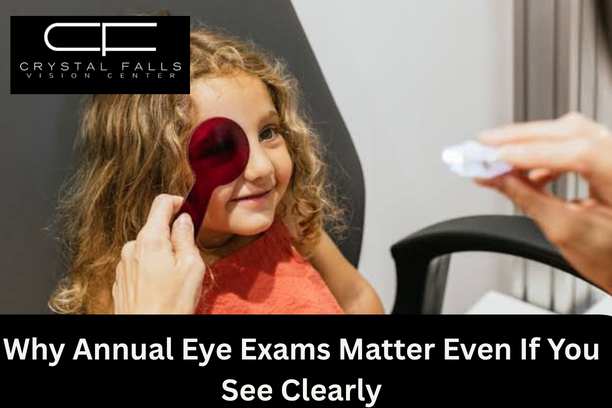
Many people believe that if they can see clearly, they do not need regular eye care. After all, reading a menu, driving safely, and using a computer without difficulty seem like signs that everything is fine. However, good vision does not always mean your eyes are healthy.
Many eye conditions develop gradually and without obvious symptoms. By the time vision changes become noticeable, the condition may already be advanced. Annual eye exams help detect problems early, often before permanent damage occurs. They also provide valuable information about your overall health.
Routine eye care is not only for people who wear glasses or contact lenses. Everyone can benefit from regular checkups. At Crystal Falls Vision Center, patients receive comprehensive evaluations designed to protect both their vision and long-term eye health. Understanding the importance of preventive care can help you make informed decisions and reduce the risk of future vision problems.
Why Good Vision Does Not Always Mean Healthy Eyes
Seeing clearly is only one aspect of eye health. Many serious conditions can affect the eyes without immediately impacting your ability to see.
Think of it this way: a person may feel healthy while having high blood pressure without realizing it. The same principle applies to eye health. Problems can develop silently for years before symptoms appear.
Hidden Eye Conditions
Several common eye diseases often show little or no warning signs in the early stages, including:
- Glaucoma
- Diabetic retinopathy
- Macular degeneration
- Retinal tears
- Cataracts
Because these conditions may not cause pain or obvious vision changes initially, regular examinations become the best way to identify them early.
Early Detection Makes a Difference
When eye diseases are detected early, treatment options are often more effective. Early intervention can slow progression, preserve vision, and reduce the need for more extensive treatment later.
For example, a patient with early glaucoma may have no symptoms at all. During a routine exam, increased eye pressure or optic nerve changes may be detected, allowing treatment to begin before significant vision loss occurs.
Common Eye Conditions That Develop Without Symptoms
Many people are surprised to learn how many eye diseases can progress unnoticed.
Glaucoma
Often called the “silent thief of sight,” glaucoma damages the optic nerve over time. Peripheral vision is usually affected first, making the condition difficult to recognize without professional testing.
Millions of Americans have glaucoma, and many are unaware they have it.
Age-Related Macular Degeneration
Macular degeneration affects central vision and becomes more common with age. Early stages may not noticeably impact daily activities, making regular monitoring especially important for older adults.
Diabetic Retinopathy
People with diabetes face a higher risk of retinal damage caused by elevated blood sugar levels. Vision may remain normal during the early stages, even while damage is occurring inside the eye.
Cataracts
Although cataracts are commonly associated with aging, they often develop gradually. Small changes may not be noticeable at first, but regular monitoring helps determine when treatment becomes necessary.
Dry Eye Disease
Many individuals assume occasional irritation is normal. However, untreated dry eye disease can affect comfort, productivity, and overall quality of life. Comprehensive examinations help identify underlying causes and appropriate treatment options.
How Annual Eye Exams Support Overall Health
Your eyes can reveal much more than vision problems. In many cases, they provide important clues about your overall health.
Detecting Health Conditions Early
Eye doctors can sometimes identify signs of:
- Diabetes
- High blood pressure
- High cholesterol
- Autoimmune disorders
- Thyroid disease
- Certain neurological conditions
The tiny blood vessels inside the eye allow doctors to observe changes that may indicate health concerns elsewhere in the body.
Monitoring Chronic Conditions
Individuals living with chronic conditions benefit greatly from routine eye care. Regular monitoring helps identify complications early and provides valuable information that can support overall healthcare management.
Protecting Long-Term Wellness
Preventive care is often less expensive and less stressful than treating advanced disease. Annual exams serve as an important part of a proactive healthcare strategy that supports long-term wellness.
What Happens During a Comprehensive Eye Exam?
Some people avoid scheduling appointments because they are unsure what to expect. Understanding the process can help remove uncertainty.
Medical and Vision History Review
The appointment usually begins with questions about:
- Current vision concerns
- Family eye health history
- Medications
- Medical conditions
- Lifestyle factors
This information helps identify potential risk factors.
Vision Testing
Your doctor will evaluate visual acuity and determine whether corrective lenses are needed or if an existing prescription requires updating.
Eye Health Evaluation
Specialized equipment allows the doctor to examine important structures of the eye, including:
- Cornea
- Lens
- Retina
- Optic nerve
These evaluations help identify early signs of disease.
Eye Pressure Testing
Measuring eye pressure is an important step in screening for glaucoma. The test is quick, simple, and provides valuable information.
Personalized Recommendations
After the examination, your doctor will discuss findings and recommend any necessary treatments, lifestyle adjustments, or follow-up care.
At Crystal Falls Vision Center, patients receive personalized guidance designed to support both immediate concerns and long-term eye health goals.
Benefits of Annual Eye Exams for Every Age Group
Eye care needs change throughout life, but regular examinations remain important at every stage.
Children
Good vision supports learning, reading, and classroom performance. Children may not realize they have vision problems because they assume everyone sees the same way they do.
Regular exams can identify issues that might affect academic success and development.
Adults
Adults often spend significant time using computers, smartphones, and digital devices. Regular eye evaluations help monitor vision changes and address symptoms such as eye strain, headaches, and dryness.
Older Adults
The risk of developing eye diseases increases with age. Annual exams become even more important for detecting age-related conditions before they significantly impact quality of life.
Individuals with Higher Risk Factors
More frequent monitoring may be recommended for people who:
- Have diabetes
- Have a family history of eye disease
- Wear contact lenses
- Have experienced eye injuries
- Take medications that affect vision
Practical Tips for Maintaining Healthy Vision
Annual appointments are important, but daily habits also play a role in protecting your eyesight.
Follow the 20-20-20 Rule
When using digital devices, every 20 minutes, look at something 20 feet away for at least 20 seconds.
Wear Sunglasses
Quality sunglasses help protect your eyes from harmful ultraviolet rays that can contribute to long-term damage.
Eat Eye-Healthy Foods
Foods rich in vitamins and antioxidants support vision health. Consider adding:
- Leafy greens
- Fish rich in omega-3 fatty acids
- Carrots
- Citrus fruits
- Nuts and seeds
Stay Physically Active
Exercise supports healthy circulation, which benefits both eye health and overall wellness.
Schedule Routine Eye Exams
One of the simplest and most effective ways to protect your vision is to maintain regular Eye Exams and follow your doctor’s recommendations.
Frequently Asked Questions
How often should adults get an eye exam?
Most adults should have a comprehensive eye exam once a year, although recommendations may vary based on age and risk factors.
Can eye exams detect health problems outside the eyes?
Yes. Eye exams can sometimes reveal signs of diabetes, high blood pressure, high cholesterol, and other health conditions.
Do I need an eye exam if I have perfect vision?
Yes. Many serious eye diseases develop without affecting vision during the early stages.
Are eye exams important for children?
Absolutely. Healthy vision supports learning, reading, and overall development.
What are the warning signs that I should schedule an exam immediately?
Sudden vision changes, flashes of light, eye pain, double vision, or significant redness should be evaluated promptly.
Can digital screens damage my eyes?
Digital screens generally do not cause permanent damage, but they can contribute to eye strain, dryness, and discomfort.
How long does a comprehensive eye exam take?
Most appointments take between 30 and 60 minutes, depending on the tests performed and any specific concerns being evaluated.