
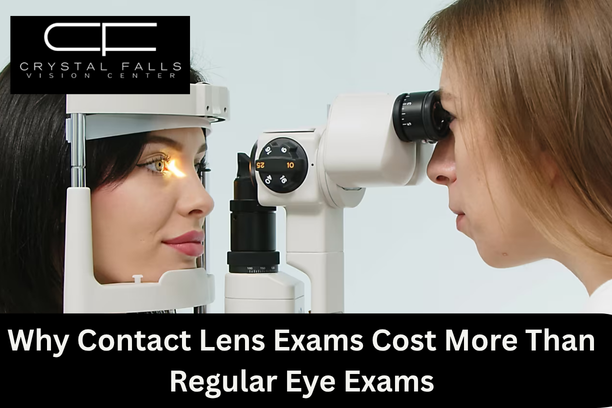
Eye care is an important part of maintaining overall health, yet many patients are surprised when they learn that a contact lens exam costs more than a regular eye exam. At first glance, both appointments may seem similar. You visit an eye doctor, read letters on a chart, and receive a prescription. However, there is much more happening behind the scenes during a contact lens exam that directly impacts the cost.
Understanding these differences matters because it helps patients make better decisions about their vision care, budgeting, and insurance coverage. Many people in the U.S. rely on vision correction every day, and knowing what you are paying for can help you avoid unexpected expenses.
This blog explains the key reasons behind the price difference, what additional services are included in contact lens exams, how insurance affects your costs, and what you can do to manage expenses more effectively. We will also look at how providers like Crystal Falls Vision Center approach contact lens care and patient education.
What Happens During a Regular Eye Exam vs a Contact Lens Exam
Regular Eye Exam Overview
A standard eye exam focuses on checking your overall vision and eye health. During this visit, an eye doctor evaluates:
- Your ability to see clearly at different distances
- Signs of common eye conditions like glaucoma or cataracts
- Eye coordination and focusing ability
- Basic prescription needs for glasses
This exam is typically straightforward and involves general testing equipment. The goal is to determine whether you need vision correction and to identify any early signs of eye disease.
What Makes a Contact Lens Exam Different
A [Contact Lens Exam] includes everything in a regular eye exam plus additional steps specifically related to fitting lenses directly on your eyes. Contact lenses sit on the surface of your eye, which means they require precise measurements and careful fitting.
Additional steps often include:
- Corneal measurements (the shape and curve of your eye)
- Tear film evaluation (to check dryness levels)
- Trial lens fitting
- Lens movement and comfort testing
- Follow-up visits for adjustments
These extra steps require more time, specialized tools, and professional expertise, which is one of the main reasons for higher cost.
Why Contact Lens Exams Cost More
1. More Time with the Eye Doctor
A regular eye exam may take 20 to 30 minutes, while a contact lens exam can take significantly longer. The doctor must test multiple lens options and ensure the fit is safe and comfortable.
Time is a major factor in healthcare pricing. Longer appointments often mean higher fees because they use more clinic resources and staff time.
2. Specialized Measurements and Equipment
Contact lens fitting requires advanced diagnostic tools that are not always needed in standard eye exams. These tools help measure:
- Corneal curvature
- Eye surface health
- Tear production and stability
Accurate measurements are essential to prevent discomfort, blurry vision, or long-term eye damage.
3. Trial Lenses and Fitting Process
Unlike glasses, contact lenses are not one-size-fits-all. Patients usually try several lenses before finding the right match.
This process may involve:
- Multiple trial lens sets
- Several adjustments
- Follow-up appointments
Each of these steps adds to the overall cost of care.
4. Higher Risk of Eye Complications
Because contact lenses sit directly on the eye, there is a higher risk of issues such as:
- Eye infections
- Corneal irritation
- Dry eye symptoms
- Poor oxygen flow to the eye surface
Doctors must take extra precautions to ensure the lenses are safe for long-term use. This added responsibility contributes to higher pricing.
5. Prescription Management and Follow-Ups
A contact lens prescription is not just a number. It often includes details such as brand, material type, and wearing schedule.
Patients may also need:
- Follow-up visits to confirm comfort
- Adjustments to prescription strength
- Changes in lens type based on eye response
This ongoing care adds to the overall service cost compared to a one-time glasses prescription.
How Insurance Affects Contact Lens Exam Costs
Vision Insurance vs Health Insurance
In the United States, vision insurance and health insurance are usually separate. Many people assume eye care is fully covered, but coverage varies widely.
Vision insurance may cover:
- Basic eye exams
- Part of a glasses prescription
- A portion of contact lens exams or materials
However, contact lens fittings are often considered an optional service, which means additional fees may apply.
What Insurance Typically Covers
Most vision insurance plans will cover:
- Standard eye exam once per year
- Partial allowance for contact lenses or glasses
- Discounts on additional services
But they may not fully cover:
- Contact lens fitting fees
- Specialty lens types (toric, multifocal, etc.)
- Additional follow-up visits
Out-of-Pocket Costs
Even with insurance, patients often pay extra for contact lens exams. Depending on the provider and location, fitting fees can range from modest to significantly higher than a standard exam.
Understanding your insurance benefits ahead of time can help avoid unexpected bills.
Additional Costs You May Not Expect
Specialty Contact Lenses
Some patients require specialized lenses, such as:
- Astigmatism-correcting lenses
- Multifocal lenses for presbyopia
- Rigid gas permeable lenses
- Scleral lenses for irregular corneas
These lenses require more advanced fitting and often cost more than standard soft lenses.
Follow-Up Visits
Unlike glasses, contact lens prescriptions are not always finalized in one visit. Patients may need to return for:
- Fit adjustments
- Comfort evaluations
- Vision clarity checks
Each visit may carry an additional charge.
Replacement and Supply Costs
Contact lenses are recurring expenses. Depending on the type:
- Daily lenses require frequent replacement
- Monthly lenses require proper cleaning supplies
- Specialty lenses may need custom orders
Over time, these costs add up and should be part of your overall budget planning.
How to Reduce Contact Lens Exam Costs
1. Check Insurance Benefits First
Before scheduling an appointment, review your vision insurance plan. Knowing what is covered can help you avoid unnecessary expenses.
2. Ask for Bundled Pricing
Some providers offer bundled pricing that includes:
- Exam
- Fitting
- Follow-up visits
This can sometimes be more cost-effective than paying separately for each service.
3. Choose the Right Provider
Not all eye care providers charge the same rates. Clinics like Crystal Falls Vision Center are known for offering comprehensive eye care services, including contact lens fittings and guidance to help patients understand their options clearly.
4. Stick to Recommended Lens Types
Switching to specialty lenses without a medical need can increase costs. Follow your doctor’s recommendation to avoid unnecessary expenses.
5. Take Care of Your Lenses
Proper hygiene reduces the risk of complications, which can lead to additional doctor visits. Always:
- Wash your hands before handling lenses
- Follow replacement schedules
- Use recommended cleaning solutions
Choosing the Right Eye Care Provider
Selecting the right clinic is just as important as understanding the cost differences. A good provider will take time to explain your options and ensure proper fitting for long-term eye health.
Crystal Falls Vision Center is a trusted provider offering both routine eye exams and specialized contact lens services. They focus on patient comfort, accurate prescriptions, and clear guidance on lens care.
When choosing a provider, look for:
- Experience with contact lens fittings
- Transparent pricing
- Good patient reviews
- Follow-up care options
Wrapping up
Contact lens exams cost more than regular eye exams because they involve additional testing, specialized equipment, and ongoing care. While a standard eye exam focuses mainly on vision and eye health, contact lens exams require precise measurements and careful fitting to ensure safety and comfort.
Insurance can help reduce some costs, but patients should still expect some out-of-pocket expenses. Understanding these differences allows you to plan better and choose the right eye care options.
If you are considering contact lenses or need a prescription update, scheduling an appointment with a trusted provider like Crystal Falls Vision Center can help ensure you receive proper care and clear guidance on your options.
Taking the time to understand your eye care needs today can lead to better vision and fewer complications in the future.
FAQs
1. Why is a contact lens exam more expensive than a regular eye exam?
A contact lens exam includes additional testing, fitting, trial lenses, and follow-up visits that are not part of a standard eye exam.
2. Does insurance cover contact lens exams?
Some vision insurance plans cover part of the exam, but fitting fees and specialty lenses are often not fully covered.
3. How long does a contact lens exam take?
It usually takes longer than a regular eye exam, often between 45 minutes and an hour, depending on fitting needs.
4. Can I get contact lenses without an exam?
No. A valid contact lens prescription is required for safety and proper fitting.
5. How often do I need a contact lens exam?
Most patients need a yearly exam to update their prescription and ensure eye health.
6. Are contact lenses safer than glasses?
Both are safe when used properly. However, contact lenses require careful hygiene and proper fitting to avoid complications.
7. Can I switch from glasses to contact lenses easily?
Yes, but you will need a proper fitting exam to determine the right lens type and prescription.